
Being good at lead generation is crucial to ensuring a steady flow of guests for your hotel throughout the year.
However, once the high season ends, that becomes easier said than done.
There’s no denying that the low season presents a unique set of challenges, but it can also be a golden opportunity to use innovative approaches and stay booked throughout the year.
This article is here to guide you through five different strategies that’ll help you not only weather the off-peak storm but emerge stronger than ever.
Let’s begin.
Use Dynamic Pricing
Even though the high season ends, it doesn’t mean you have to resign yourself to empty rooms until the next busy period.
You just need to understand what attracts travelers during off-peak times. For starters – it’s the lower room rates. After peak season, they are even expected.
In fact, many travelers deliberately choose the low season to take a trip attracted by the deals available during these months.
And if you’re skeptical about changing your prices, consider the MarketSampler survey findings below.
Room prices rank among the top three elements affecting travelers’ perception of a business. And we all know how important it is to make that positive first impression with your hotel.
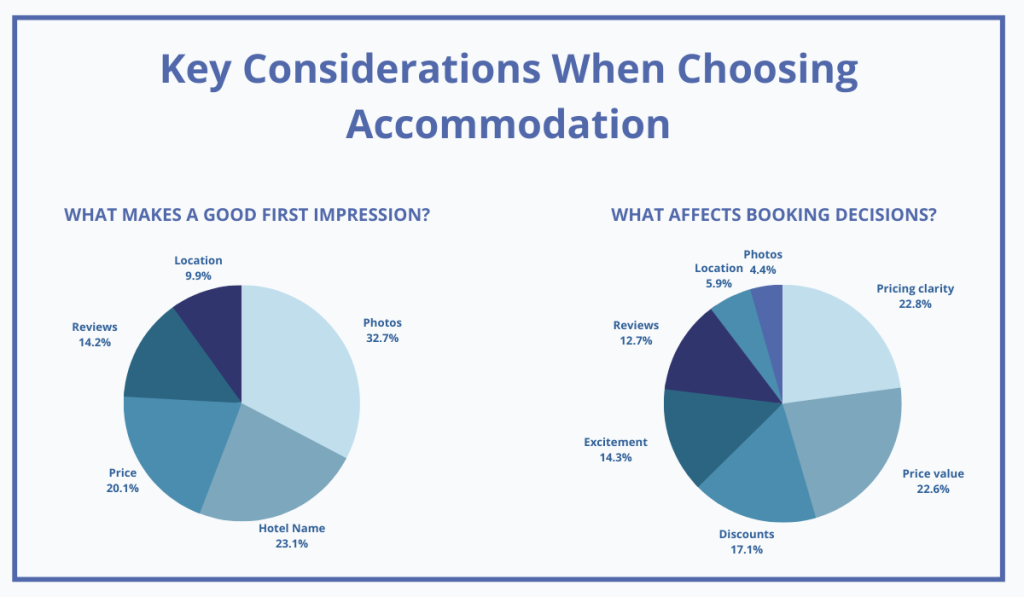
Illustration: WebBookingPro / Data: MarketSampler
What’s more, when it comes to booking decisions, the following three factors take precedence:
- pricing clarity
- price value
- discounts
All of these things revolve around hotel rates.
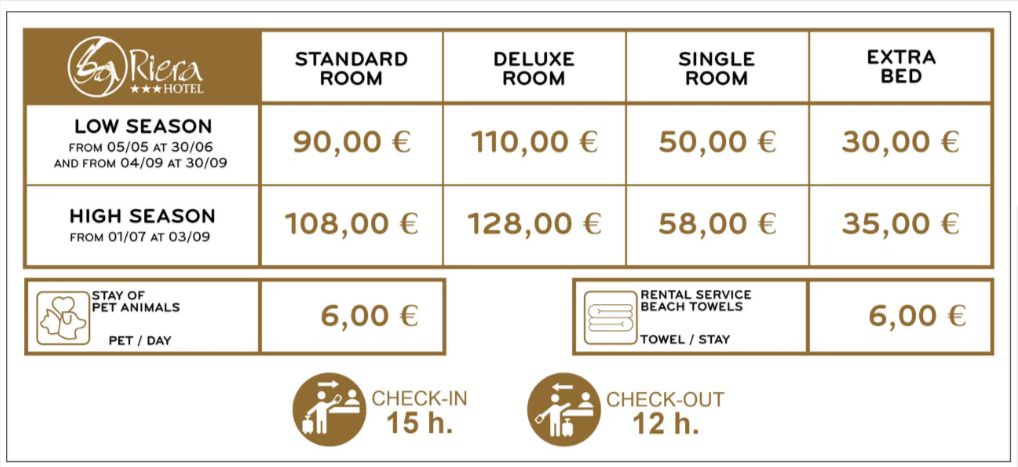
So, while a higher price makes sense during peak season, offering promotional rates the rest of the time makes sense for most hotels.
Check the example from the hotel Sa Riera, in Spain.
Source: Hotel Sa Riera
Showing your room rates clearly on your website will make a better first impression, but can also boost bookings in those slower times. At the end of the day, everyone appreciates a good deal.
However, manually adjusting prices, especially on a daily basis and on multiple channels, can be a real problem. It’s just too many moving parts, and when that’s the case, costly errors occur.
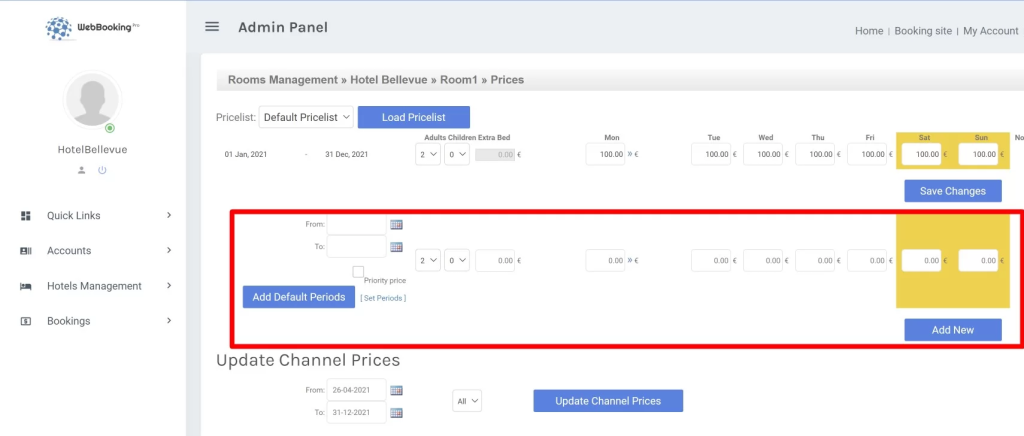
That’s why, knowing how valuable your time is, WebBookingPro developed its Revenue Manager module.
This feature automates the entire process, requiring users only to define if-then scenarios for price corrections, which you can, of course, tailor to suit your own specific needs and circumstances.
Source: WebBookingPro
Once set, the software handles the rest, updating prices every night around 4-5 a.m.
Such an automated approach offers a myriad of benefits: increased profits, higher occupancy, less time spent, and fewer mistakes.
As a matter of fact, did you know that hotels with 50 rooms can save up to seven hours per week with this system? Talk about efficiency.
So, now that you know that rates can be adjusted without causing you a headache, give dynamic pricing a thought.
This strategy will show you that you don’t have to rely solely on the high season to generate substantial income and enjoy a fully booked hotel.
Promote Your Amenities
Modern travelers no longer go somewhere just to lie on a beach and bask in the sun all day.
They don’t even want to explore every nook and cranny of a popular tourist destination. You see, people’s priorities are evolving, and they are seeking unique travel experiences.
Even if that means staying at a hotel the entire time and having a decent night’s sleep.
A survey by Booking.com, conducted on individuals planning trips in 2024, reveals some interesting results in this regard.
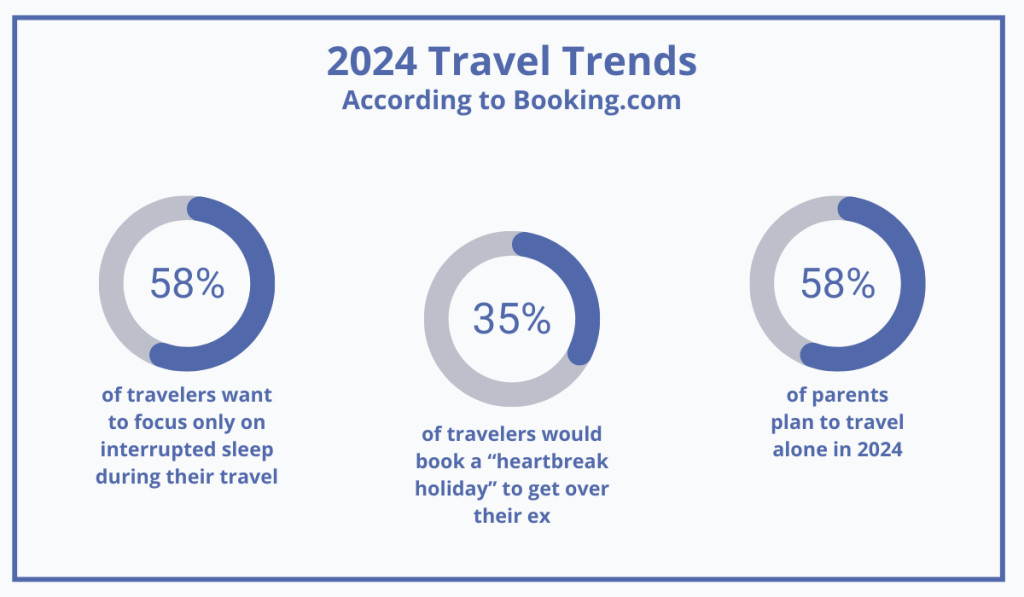
Illustration: WebBookingPro / Data: Booking.com
A significant number of respondents expressed a desire to focus solely on uninterrupted sleep during their travels, while more than a third are open to booking a heartbreak holiday to overcome a breakup.
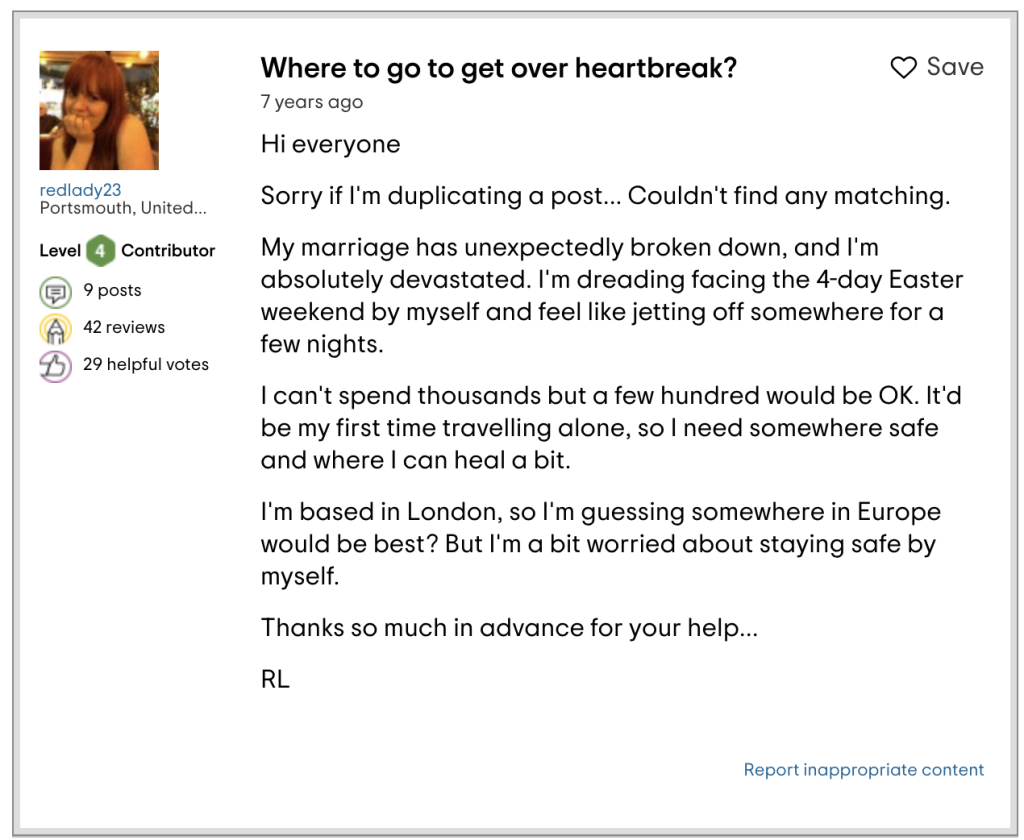
Source: Tripadvisor
Moreover, a majority of parents said they intend to travel alone, leaving their children and partners at home.
All of these trends point to one thing: people are looking for opportunities to get away from it all and recharge, and are using hotels differently.
Hotels are not just pit stops to be used while exploring the destination. Instead, they become the destination.
This presents a remarkable opportunity for hoteliers to make the most out of the low season.
Whether you’re proud of your exceptional restaurant, indoor pool, spa, or garden, capitalize on your amenities and try to create activities around them.
For example, you can turn your hotel’s amenities into the main event by creating special packages focusing on them, as shown below.
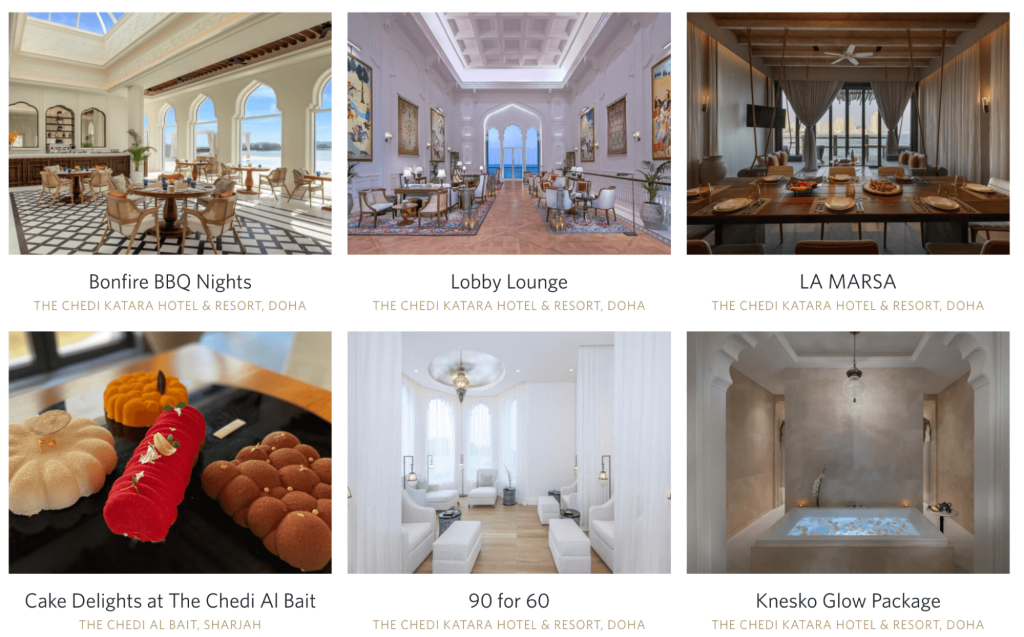
Source: Ghmhotels
The bottom line is to use what’s available to you to provide your guests with mini getaways and a unique chance to rejuvenate. So promote your amenities and show your potential guests different ways to recharge inside your property.
Focus on a Different Market Segment
Focusing on different target audiences and exploring various marketing segments presents another excellent opportunity to have consistently booked rooms, even during the low season.
Even implementing tips #1 and #2 will likely attract different types of guests.
For instance, a compelling spa package can draw in more wellness travelers or solo female travelers, while dynamic pricing that guarantees lower prices off-season might draw in families with a stricter budget.
And if you’re wondering who else you can aim your attention at, let’s take a peek at the latest trends once more.
Remote work, for example, has profoundly impacted the travel industry, allowing individuals to work from anywhere and fostering a rise in “slow travel” that extends beyond traditional vacation days.
Mark Crossey, a travel expert from Skyscanner, notes the increasing popularity of “workations.”
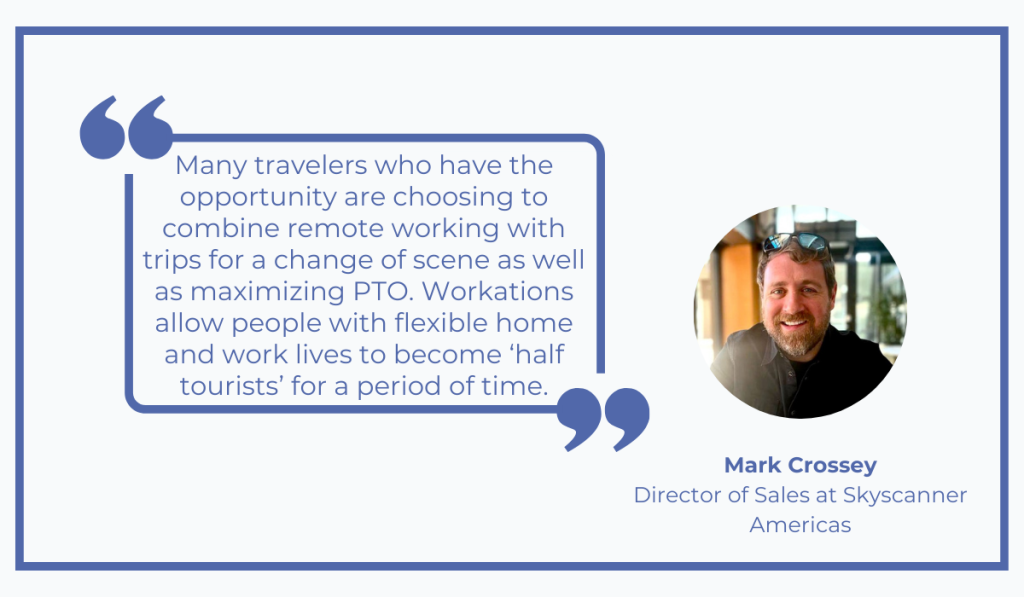
Illustration: WebBookingPro / Data: NerdWallet
Indeed, welcoming these half-tourists with open arms and tailoring your services to their specific needs can be a lucrative strategy, given their distinct schedules and requirements.
These digital nomads often seek quieter, less touristy locations anyway, so they are ideal candidates for filling up rooms during those slower periods.
To appeal to this demographic, consider marketing packages that include amenities relevant to remote workers, such as coworking spaces, complimentary breakfast, fitness facilities, or even access to a printer.
Oh, and as they say at Marriott, your Wi-Fi connection has to be as strong as the coffee.

Source: Marriott Bonvoy
Take a page from their book, and you might just be the next hotspot for the digital nomad community.
However, the potential isn’t limited to those traveling from afar.
Local guests also present a chance for your hotel to fill all the vacant rooms in the low season.
So think about introducing exclusive deals for locals only. For instance, you could offer discounts on dinners, marketing the whole experience as a fresh perspective on the area they already know and love.
Hotel Emeline pulls this off wonderfully.

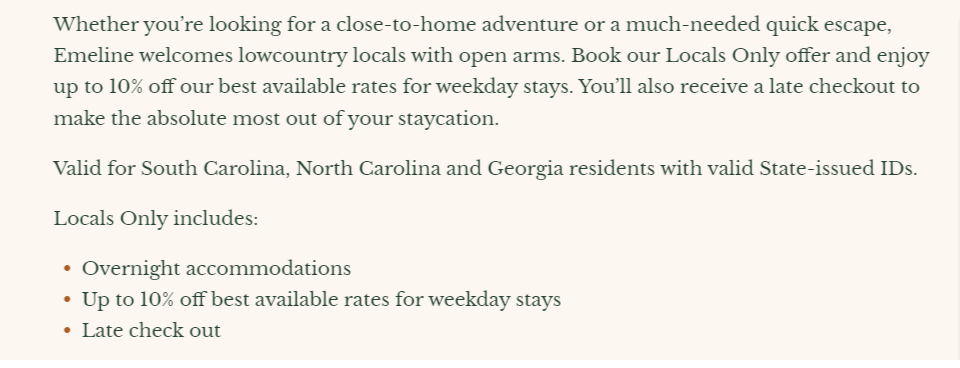
Source: Hotel Emeline
Not only do they offer discounts but allow late checkout as well, enabling visitors to “make the absolute most out of their staycation.”
In summary, whether targeting businessmen, remote workers, or locals, diversifying your focus in terms of the target audience can significantly enhance your booking rates.
The potential guests are out there; you just need to reach out to them.
Upgrade Your Loyalty Programs
What about the people who have already enjoyed their stay at your hotel?
Surely, they deserve some form of reward.
That’s where loyalty programs come in. The logic behind them is straightforward: hotels reward patrons by allowing them to accumulate points, which can then be redeemed for specific benefits.
However, these programs don’t only benefit the travelers but also contribute to your hotel’s occupancy by encouraging repeat visits and fostering stronger relationships with the guests.
SevenRoom delves a bit deeper into this topic in their survey, which reveals that 44% of people consider loyalty programs when choosing accommodation.
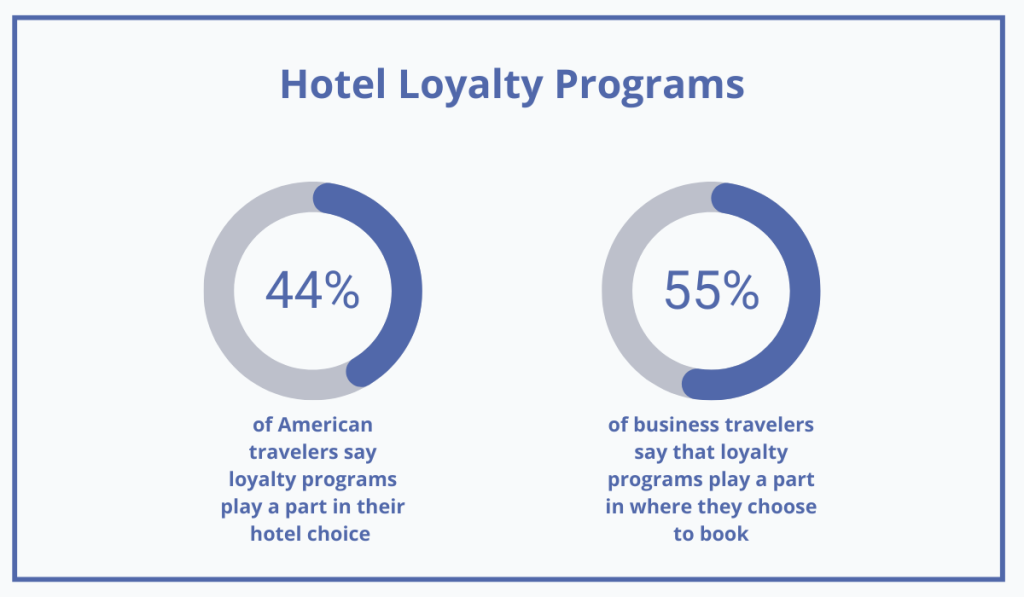
Illustration: WebBookingPro / Data: SevenRooms
The research identifies key motivations behind these memberships, such as earning extra points for on-property restaurant and bar expenditures, receiving dining credits when reaching a new loyalty tier, or enjoying a complimentary drink or pre-selected in-room F&B amenity upon arrival.
Such incentives significantly influence their decision to book a room with the hotel again.
What’s more, it seems that business travelers, in particular, take membership rewards seriously, with 55% stating that the ability to participate in these programs influences their choice of hotel.
Below you can see how Maistra Hotels from Croatia implemented this system.
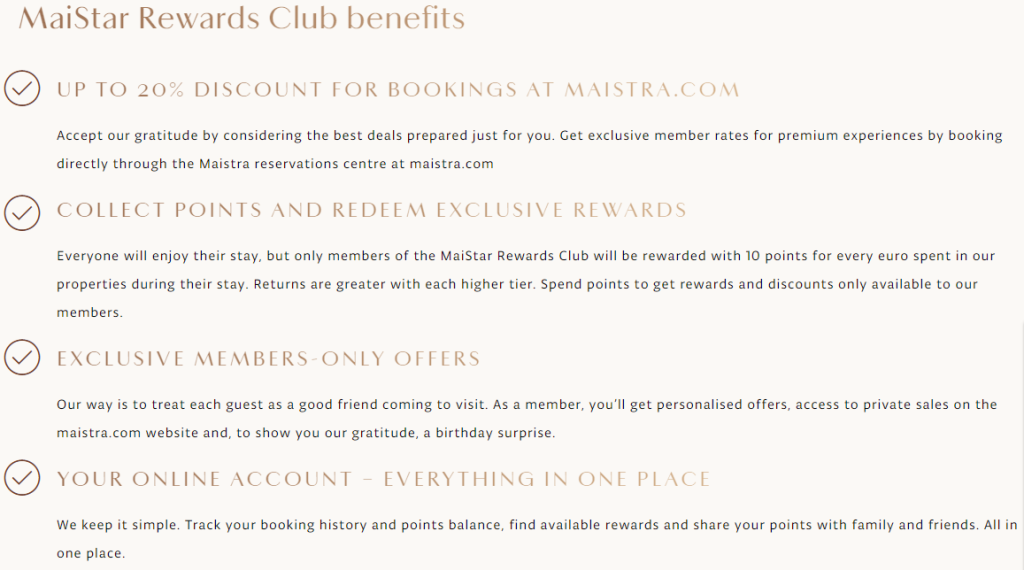
Source: Maistra Hospitality Group
Guests earn points when booking a room or making purchases at the bar, encouraging them to spend more.
And since they can redeem these points for discounts on future trips, it further incentivizes their return.
So even if offering discounts on room reservations doesn’t align with your financial strategy, you can still get creative and provide, for example, complimentary room upgrades, spa treatments, or additional points for off-season bookings, as in the example below.
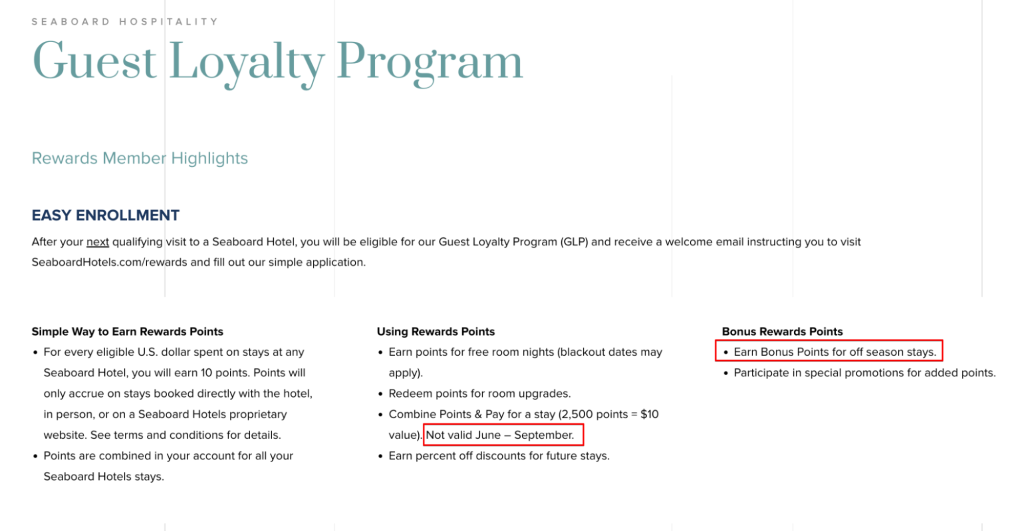
Source: Seaboard Hospitality
All in all, a little extra effort can go a long way, so there’s really no excuse to pass up on this golden opportunity to dazzle your customers and make them come back during slower times.
Just make sure to tailor the program to your needs, sprinkle a bit of your hotel’s unique charm, and your guests will definitely appreciate the gesture.
It’s like creating a VIP club where everyone’s invited.
Launch a New PPC Campaign
Advertising your off-season deals on the biggest search engine (Google) is another lead-generation strategy worth exploring.
While the strategies we covered so far didn’t require a financial investment, pay-per-click (PPC) advertising does, but it also has the potential for a faster return on the investment.
After all, a single click driven by curiosity can potentially transform into a paying guest.
PPC ads are sponsored listings on Google, serving as a popular yet efficient means to showcase your property to web users searching for particular keywords.
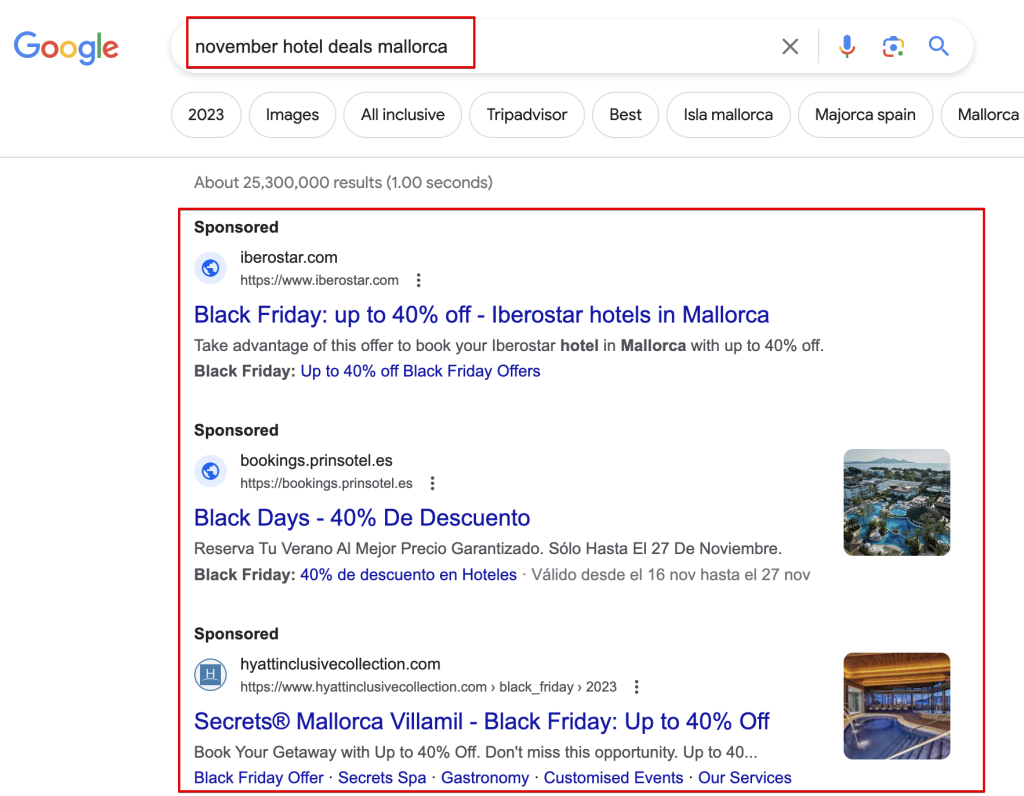
Source: Google
However, before starting with this strategy, there are a couple of things you should take into consideration.
For starters, the success of PPC campaigns depends heavily on your choice of keywords.
In other words, using irrelevant keywords would mean missing valuable opportunities for visibility to those actively seeking hotels like yours.
Put yourself in the shoes of your target guests—what are they searching for? What words and phrases are they typing in that Google search box?
While making a list of keywords, concentrate on long-tail ones, like, for example, “hotels with romantic rooms in Prague.”
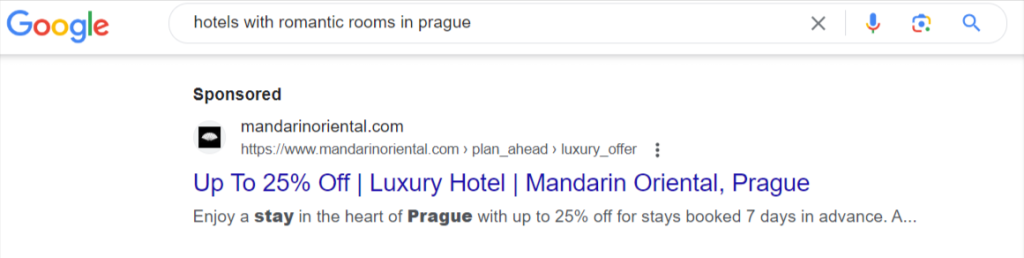
Source: Google
That’s because, the more precise and descriptive the phrase, the less competitive it would be, so you won’t have to compete with the big players like TripAdvisor, Airbnb, or Booking.com, and you will need a smaller advertising budget.
Also, think about keywords that are more suitable for the off-season period and use those keywords as well.
For example, if you’re offering New Year’s celebration packages in your hotel, you could bid for keywords that are related to that, like Marriott in Paris did.
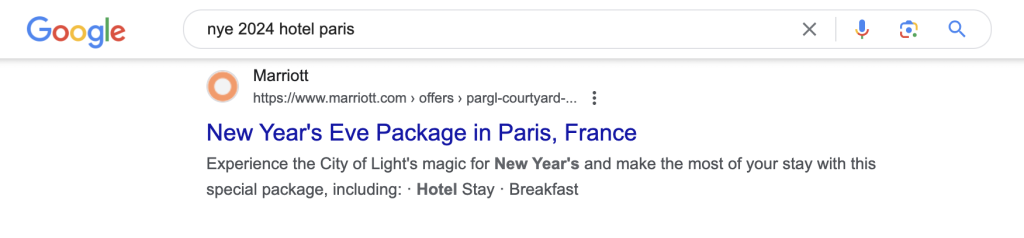
Source: Google
Combining specific keywords along with some broader phrases is the first step toward a successful PPC campaign, but, ultimately, the key is to use the wording that aligns with users’ intentions.
This leads to the second point—understanding your target audience.
By defining an average customer profile, you can identify the most effective keywords and, therefore, maximize your return on investment.
Keep in mind, for example, that the individual booking a room may not always be its end-user, especially when it comes to business travelers, who usually have their rooms booked by someone else.
In such cases, it’s important to adjust your strategy accordingly, or you might just miss the mark.
Remember, your hotel is like a hidden gem on the map, waiting to be discovered, so, let a well-crafted PPC campaign do the talking and lead travelers straight to your door.
Conclusion
Hopefully, this article convinced you that the low season is not to be dreaded, but eagerly embraced!
View it as an incredible opportunity to innovate, experiment with new marketing techniques, and bring some positive changes in the way you manage your hotel, ultimately elevating the entire business to new heights.
Implementing the strategies outlined in this blog post won’t only attract new guests but also foster long-lasting relationships, ensuring a steady stream of business in both peak and off-peak seasons.
Don’t forget, your hotel has what it takes, you just have to make the right people see it.